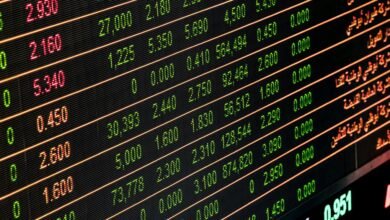
Digital Activity Summary for 55bmwmaligayang combines live telemetry with alert records to reveal user engagement and response patterns. Live streams show timestamped events, session lengths, and rapid action classification, supporting pattern-based analysis and flag detection. Alerts records translate notifications into traceable signals that illuminate cadence and thresholds. Together, they inform threshold tuning and contextual interpretation, guiding sustainable monitoring. The approach invites further examination of how time-based signals drive security and experience management, leaving a question worth pursuing.
What Digital Activity Live Looks Like for 55bmwmaligayang
What digital activity for 55bmwmaligayang appears in real time? Live telemetry shows interface interactions, timestamped events, and session duration, presented in structured streams. Each entry undergoes rapid classification, yielding analysis of behavior patterns and potential security flags. The report emphasizes clarity, objectivity, and freedom from speculation, guiding readers to assess access events, device presence, and anomaly indicators without bias.
How Alerts Records Reveals Engagement Patterns
Alerts records function as a diagnostic lens into user engagement patterns, translating each notification event into a traceable signal of interaction. Through structured aggregation, alerts records illuminate how users respond to prompts, thresholds, and cadence. This view clarifies engagement patterns, revealing frequency, timing, and contextual responses. The analysis remains objective, concise, and actionable, supporting informed design decisions for freedom-oriented audiences.
Interpreting Time Stamps to Spot Security Flags
Effective anomaly detection hinges on sequence integrity, temporal gaps, and consistent formatting, enabling timely alerts while preserving operational clarity and system-wide resilience.
Practical Takeaways to Fine-Tune Thresholds
Fine-tuning thresholds yields practical, data-driven guidance for anomaly detection.
The discussion presents actionable criteria for calibrating alert limits, balancing false positives with true signals.
It emphasizes insightful thresholds that reflect contextual variance and user expectations.
Practitioners should compare engagement nuances across systems, iterating thresholds after staged tests, documenting rationale, and aligning thresholds with risk tolerance and operational priorities for sustainable security monitoring.
Conclusion
The Digital Activity Summary for 55bmwmaligayang integrates live telemetry with alert records to reveal engagement rhythms and response cadences. The analysis demonstrates how timestamps, session durations, and action classifications coalesce into actionable insights, while alerts illuminate thresholds and security signals. Practically, thresholds can be tuned to balance responsiveness with user tolerance. In closing, a single, anachronistic moment—a sundial in a data center—reminds readers that time, not merely signals, anchors sustainable monitoring.